
The homestead exemption is a powerful financial tool for first-time homebuyers, offering significant property tax reductions by exempting part of the home's value. Eligibility requires proof of ownership, occupancy, and often, income or location-specific criteria. Understanding local laws, gathering necessary documents, and consulting experts are crucial steps to maximize savings. This benefit provides stability, fosters community connection, and supports wealth building for new homeowners. Lenders play a vital role in guiding borrowers through the process, ensuring they access this valuable tax relief program effectively.
In the dynamic landscape of real estate, first-time buyers often face a myriad of challenges, particularly navigating complex tax exemptions. Among these, the homestead exemption stands as a beacon of relief, offering significant financial benefits to those establishing their primary residence. This comprehensive guide delves into the intricate details surrounding this valuable perk, equipping prospective homeowners with the knowledge to unlock its advantages. By exploring the criteria, eligibility requirements, and practical applications, we empower first-time buyers to make informed decisions, ensuring they fully understand this crucial aspect of homeownership – the homestead exemption.
Understanding Homestead Exemption: Basics for First-Time Buyers

The homestead exemption is a powerful tool for first-time homebuyers, offering significant financial relief and security. This exemption, which varies by jurisdiction, allows owners to exempt a portion of their property’s value from local property taxes. Essentially, it reduces the tax burden on homeowners, providing a substantial advantage for those just entering the real estate market. The benefits are considerable; for instance, in states with robust homestead programs, first-time buyers can save thousands of dollars annually compared to rental costs or payments on similar properties.
Understanding the eligibility criteria is paramount for would-be beneficiaries. Homestead exemption borrower requirements typically include proving residency and ownership of the property. First-time buyers must establish their primary residence, demonstrating a genuine intent to live in the property long-term. Ownership can be established through purchase documents and other legal records. Some regions also require borrowers to meet income thresholds or limit the exemption based on property size or value. These requirements ensure fairness and prevent abuse of such programs.
To maximize the benefits of the homestead exemption, buyers should proactively research their local laws and eligibility criteria well before starting the home-buying process. Consulting with real estate professionals and tax advisors familiar with these exemptions can provide valuable guidance tailored to individual circumstances. Early preparation ensures a smoother transition into homeownership while taking advantage of available financial incentives aimed at supporting first-time buyers in building wealth through prudent property investment.
Eligibility Criteria: Who Qualifies for Homestead Exemption?

The homestead exemption is a valuable benefit for first-time homebuyers, offering significant financial relief by reducing property taxes. To qualify for this exemption, borrowers must meet specific criteria set by their local tax assessors and government bodies. Understanding these eligibility requirements is crucial for prospective buyers seeking to minimize their long-term tax obligations.
In most jurisdictions, the homestead exemption is available to individuals or families who own and occupy a residence as their primary place of living. The key emphasis lies in demonstrating that the property serves as the borrower’s main habitat. This means first-time buyers should be prepared to provide proof of residency, such as utility bills, lease agreements, or other official documents. Additionally, income limits might apply, ensuring that the exemption is accessible to those with moderate to low incomes. For instance, a study by the National Tax Association revealed that homestead exemptions can reduce property tax burdens by an average of 15% for qualifying homeowners.
One of the essential homestead exemption borrower requirements is establishing a clear connection to the community. This often involves being a registered voter or actively participating in local civic activities. Such engagement demonstrates a commitment to the area and can strengthen one’s claim for tax benefits. First-time buyers should also be aware that eligibility criteria may vary across states and even within counties, so it is advisable to consult local authorities or tax professionals for precise guidelines. By understanding and meeting these requirements, first-time homebuyers can take advantage of homestead exemptions, making their transition into homeownership more financially feasible.
Application Process: Step-by-Step Guide to Claiming Your Exemptions

Claiming a homestead exemption is an essential step for first-time homebuyers looking to reduce their property taxes. This process involves a clear understanding of the eligibility criteria and a well-planned application strategy. Here’s a detailed, step-by-step guide to help you navigate the application process and secure your homestead exemption benefits.
First, assess your borrower requirements. To qualify for a homestead exemption, you must meet specific conditions such as owning and occupying the property as your primary residence. Additionally, the property must be within certain limits regarding its value and location, with some jurisdictions setting maximum assessment values for eligibility. For instance, in many states, a homestead exemption can reduce your taxable value by a set percentage, typically 10% to 25%, of the property’s appraised worth. It’s crucial to verify these requirements with your local tax assessor’s office or consult a real estate professional familiar with your area.
Once you’ve confirmed eligibility, gather the necessary documents. These may include proof of ownership, such as a deed or title report; identification documents for all occupants; and proof of occupancy, like a lease agreement or utility bills in your name. Organize these materials in advance to streamline the application process. The actual application typically involves filling out a standardized form provided by your local tax assessor’s office. Fill it out accurately, providing all requested information, including details about the property, occupants, and the exemption you’re seeking.
Submit your application along with the required supporting documents to the appropriate tax authority. Processing times can vary depending on your location and workload at the assessor’s office. Keep track of deadlines and follow up if necessary. Upon approval, your homestead exemption will be applied to your property taxes, resulting in significant savings over time. Regularly review your exemption status and ensure updates are made if there are changes to your ownership or occupancy to maintain this valuable tax advantage.
Benefits of Homestead Exemption: Tax Savings and Property Protection
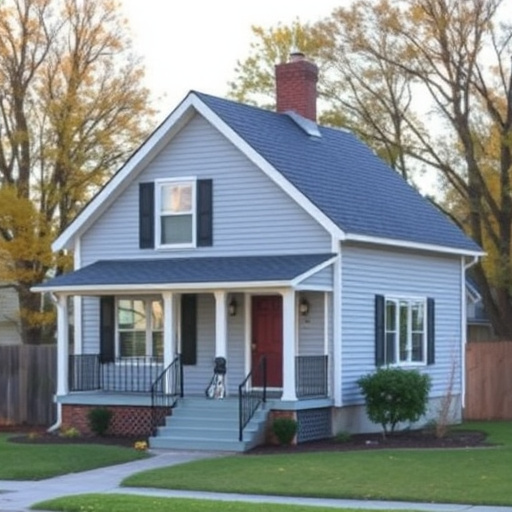
The homestead exemption is a powerful benefit for first-time homebuyers, offering significant advantages both financially and protectively. At its core, this exemption provides eligible borrowers with substantial tax savings by exempting a portion of their primary residence’s value from property taxation. This means lower taxes for homeowners, directly impacting their monthly budget and overall financial health. For instance, in states where homestead exemptions are applied, first-time buyers can expect to save hundreds, if not thousands, of dollars annually on property taxes, making homeownership more accessible and affordable.
Beyond tax savings, the homestead exemption serves as a robust form of property protection. It acts as a shield against sudden increases in local assessment values, which could lead to substantial rises in property taxes. This is particularly beneficial in areas with volatile real estate markets or where assessments tend to fluctuate dramatically. By exempting a portion of their home’s value, borrowers are safeguarding their investment and ensuring that their financial commitment to their property remains stable and predictable. For example, a borrower in a community with historically high assessment growth might otherwise face a substantial tax increase each year. With the homestead exemption, however, they can avoid this burden, maintaining control over their budget and peace of mind.
To be eligible for these advantages, borrowers must meet specific criteria set by their local government. These requirements typically include owning and occupying the property as a primary residence, demonstrating financial need or meeting certain income thresholds, and adhering to a time frame for initial purchase or renovation. Understanding these homestead exemption borrower requirements is crucial for first-time buyers aiming to leverage this benefit. Consulting with a real estate professional or financial advisor can help ensure borrowers navigate the process effectively, reaping the tax savings and protection that a homestead exemption offers.
Common Pitfalls and FAQs: Clearing Up Confusion Around Homestead Exemption
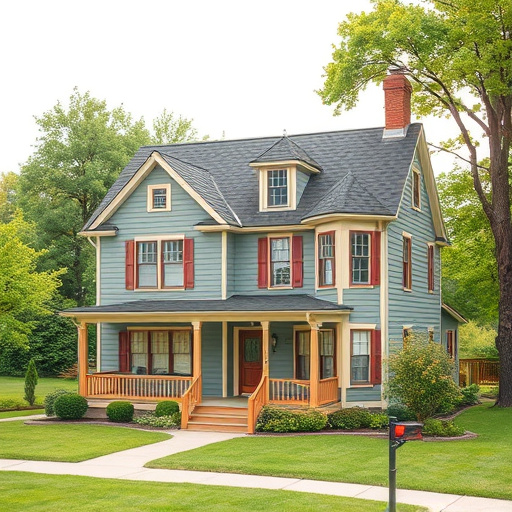
The homestead exemption is a valuable program designed to support first-time homebuyers by offering tax relief on their primary residence. However, navigating this benefit can be fraught with confusion, leading many eligible buyers to overlook this potential financial savings. This section delves into common pitfalls and frequently asked questions surrounding the homestead exemption, providing clarity for both prospective homeowners and lending professionals.
One of the primary challenges lies in understanding borrower requirements. The eligibility criteria vary by jurisdiction, making it crucial for individuals to research their specific area’s regulations. For instance, some regions may mandate a minimum ownership period, typically one year, before a property can be exempted. Additionally, there are often income thresholds and restrictions on second homes or investment properties. Borrowers must carefully review these requirements to ensure they meet the criteria and avoid potential pitfalls during the application process.
FAQs about homestead exemptions further complicate matters. For example, “Can I claim the exemption if my property has outstanding taxes?” or “What happens if I sell my home within a certain period after purchasing it?” These questions highlight the need for transparency and education. Lenders play a pivotal role in guiding borrowers through this process, ensuring they provide accurate information and offer personalized advice tailored to each borrower’s unique circumstances. By clearing up these confusions, lenders can help first-time buyers maximize their financial benefits and make informed decisions regarding their homestead exemption.